Part VII: The Twin Towers Conspiracy
Chapter 1: Open Borders
Timeline: AO 298
As it turned out Hecla would endure her father’s abuse for three more years. Those were dark times for the princess. Each night, Hecla lay awake, the weight of her father’s sins pressing down on her. The bruises she suffered physically were nothing compared to the scars etched into her soul. Yet, through sheer force of will, she maintained a facade of normalcy, her pride preventing her from revealing her torment to anyone, even her twin.
And so Hecla persisted – for what else could she do? She wasn’t about to let her father win by killing herself and she had too much pride to complain publicly (as if that would have even mattered). Instead Hecla endured – and more importantly she continued plotting – in the shadows, Hecla met with Lord Aric, Malchior Der Naves, Hylra Klyntz, and other co-conspirators to advance their secret plans to overthrow Baldur and blame it on the Derkka.
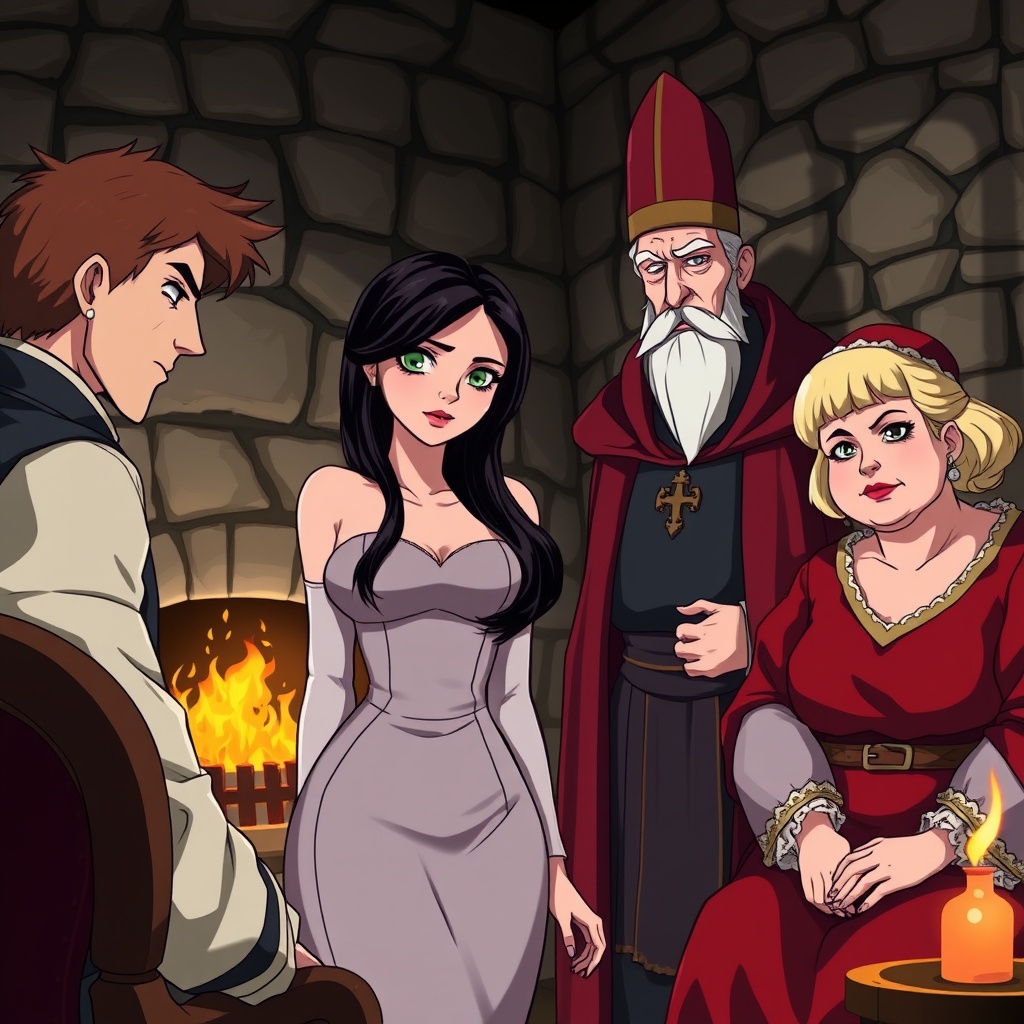
She trusted no one completely, but necessity forged alliances that would prove crucial in the years to come. Each secret meeting brought them closer to their goal, the intricate web of betrayal slowly tightening around Baldur.
Recall that, three years earlier, Hecla had ‘warned’ Hacktor about a conspiracy involving a Derkka secret society called The Priory of The Myz – claiming the group had access to a weapon of mass destruction known only as The Power of Zar and that they planned to use it to do the unthinkable – bring down the mighty watchtowers called The Siq that had protected the Drokka’s western gates of Rhokii Pass for centuries.
Horrified at the prospect, Hacktor had taken the news to his father, but Baldur being Baldur, the king had ignored it. [Perhaps because when Baldur consulted The Spirit of The Well for guidance, The Spirit (read: Me) had told him to do just that].
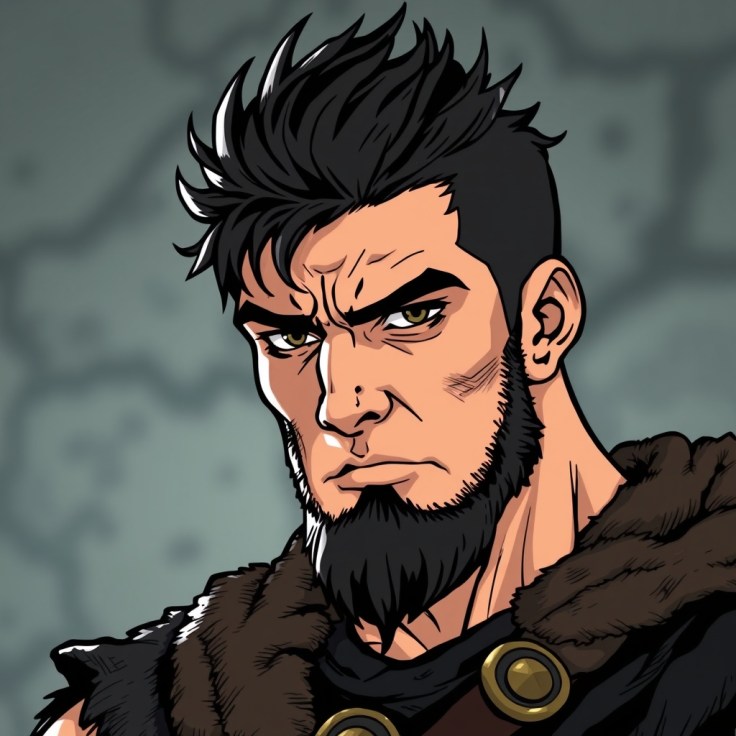
Hacktor being Hacktor, the prince got mad. The prince knew the stakes were high, and his father’s indifference only fueled his determination. He couldn’t allow the threat to go unchecked, even if it meant going against the king’s orders, so Hacktor put some of his own troops on double-secret duty to protect The Siq and specifically instructed his men to go out of their way to toss out any Derk traders who acted suspiciously. [Which is to say that Hacktor wanted his men to abuse any and all foreigners traveling in from the west — making sure they felt unwelcome and sending them packing with a one-way ticket back to Gor].
Two things resulted from Hacktor’s action and Baldur’s inaction. First off, the price of Blackwood skyrocketed – largely due to the fact that Derk traders were having a hard time doing business because Hacktor’s men kept profiling them as terrorists and barring their entry. As the price of Blackwood soared, the once-bustling markets turned into scenes of desperation. Merchants struggled to make ends meet, and families who relied on Blackwood for heating and crafting found themselves in dire straits. The discontent among the people grew, their anger directed at a king who seemed increasingly out of touch with their plight.
The Drokka people and the lower level merchants were also mad at the figureheads that were Monty and Thork – both of whom pretended to be horrified at the implications that nefarious actions on their part were behind the spike in prices. [Even though nefarious actions by this pair usually were the reason why the price of Blackwood artificially rose or fell!]. Meanwhile, Monty, Thork, and the other shadow elites of society began to work behind the scenes to turn the peasants against the king – in the dimly lit back rooms of taverns and inns, The Coinmaster hired agitators to whisper words of rebellion to the downtrodden. With silver tongues and promises of change, they fanned the flames of discontent, turning ordinary citizens into fervent protesters.
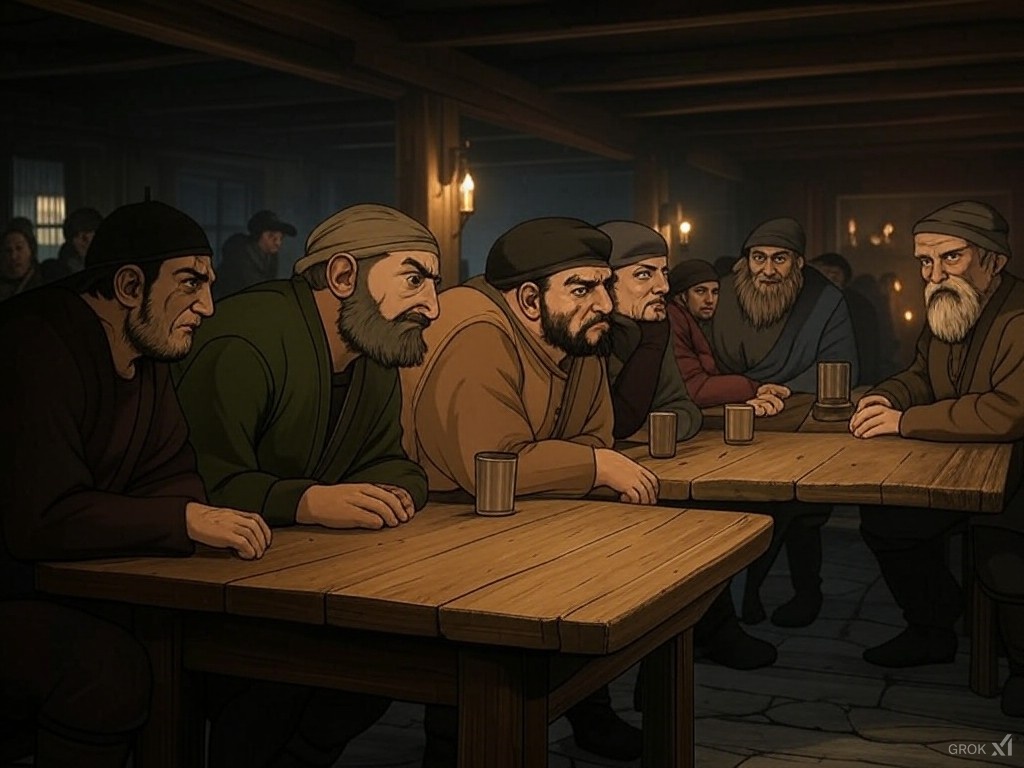
Their goal was clear: destabilize Baldur’s reign from within. Groups of angry citizens took to the streets of their towns and villages to protest their plight – often leaving a wake of destruction behind (and foolishly destroying the infrastructure of their own communities, thus further adding to their troubles).
The local governors, together with their militia, had little trouble quelling these manufactured riots, but as word spread throughout the kingdom, the poor continued to band together against the rich – further fracturing the fabric of society. When word of the people’s plight occasionally made it back to Baldur, Monty was always quick to dismiss the king’s concern, assuring him that the protests were ‘mostly peaceful’ and that he had nothing to worry about. A nod from Lord Aric also served to quell the king’s fears.
Later, when Baldur found out about Hacktor’s secret directives the king flipped out on his son during a council meeting, embarrassing the prince in public (just like I’d hoped he would). At Baldur’s direction, Hacktor lost command of his units, and General Ortwin not only pulled Hacktor’s men off Siq guard duty, but the old military man complied with Baldur’s orders and relaxed the watch considerably. At the same time, with Lord Aric’s blessing, Baldur had his scribe Grak send numerous personal missives (and some massive chests full of gold coins) to The Derkka Parliament to explain away the recent ‘administrative oversights’ that may have caused the Derk traders certain ‘inconveniences.’ Baldur’s decision to relax the guard and send gold to the Derkka Parliament backfired spectacularly (much to Lord Aric’s delight). The kingdom’s borders became porous, and the influx of Derkka and other unsavory characters disrupted the fragile peace. The once-strong bastions of Rhokii Pass now seemed vulnerable, and the people’s trust in their king eroded further with each passing day.
Enter The Priory of The Myz.
 The Apocrypha of Azazel